Kokoda Track trekking guide: training, packing, itinerary & PNG eVisa planning
The Kokoda Track is one of the most meaningful Papua New Guinea trekking routes—equal parts physical challenge and history. It’s the kind of journey that changes your idea of what “adventure travel” means: steep ridges, humid valleys, and a trail culture built on teamwork and respect.
This Papua New Guinea travel guide is written for realistic trip planning: how to prepare your body and your packing list, how to reduce risk with good choices, and how to coordinate the visa side—png evisa, Papua New Guinea Online Visa, and the paperwork habits that keep your travel timeline calm.
What the Kokoda Track is and why it matters
When travelers search for “Kokoda Track history,” they’re usually trying to understand why the trail is treated with such respect. Kokoda Track trekking isn’t a casual hike; it’s a Papua New Guinea historical site stretched across rugged terrain. Many trekkers come for the physical challenge, but they leave with a deeper connection to the people, stories, and landscapes that shape Papua New Guinea cultural experiences.
In a Papua New Guinea trip guide, Kokoda is often the centerpiece of adventure travel. It fits travelers who want trekking routes that are challenging, who enjoy immersive travel experiences, and who value meaningful cultural tours rather than quick sightseeing.
Who should trek Kokoda (and who should rethink it)
Best fit
Active travelers who train beforehand, listen to guides, and can handle steep climbs and long days.
Proceed carefully
Anyone with health concerns should speak to a clinician and choose conservative pacing and support.
Not ideal
Travelers wanting easy hikes or tight schedules without buffer time for weather and recovery.
This is where “Papua New Guinea travel preparation” becomes real. A good plan isn’t bravado; it’s being honest about fitness, choosing safe operators, and pacing the trek so it’s hard but not reckless.
Training approach: what to focus on (simple, effective)
Most people don’t fail Kokoda because they lack motivation—they fail because they underprepare for sustained climbing in humidity. Focus on three elements: (1) steady aerobic fitness (long walks, hiking, stairs), (2) leg and core strength (squats, lunges, step-ups), and (3) time-on-feet with a pack. Add mobility work and a gradual ramp-up so your body adapts.
Think in practical travel terms: your training should make “day three” feel possible. When your itinerary hits a tough day, you want enough reserve to enjoy the scenery, not just survive it.
Safety and support: why reputable guiding matters
Papua New Guinea travel safety tips for Kokoda are straightforward: don’t trek alone, don’t rush, and don’t treat conditions as fixed. Weather can change quickly; the trail can get slick; and fatigue makes small mistakes bigger. A reputable operator adds safety routines: pacing, hydration reminders, route decisions, and contingency planning.
Smart rule: If your plan doesn’t include buffer days, it’s not a plan—it’s a gamble. Build flexibility into your Papua New Guinea travel itinerary.
Kokoda trekking packing list: essentials that actually matter
Core gear
Trail shoes with grip, light rain layer, quick-dry clothing, hat, headlamp, and a waterproof bag system.
Health + comfort
Blister kit, hydration salts, insect repellent, sunscreen, basic meds, and personal hygiene essentials.
Your Papua New Guinea packing list should also include document planning: passport, printed eVisa approval, itinerary details, and emergency contacts. Keep a digital copy offline too—devices fail at the worst times.
Itinerary table: a realistic trek framework
| Phase | Focus | Why it helps |
|---|---|---|
| Before trek | Arrive, check gear, hydrate, rest | Reduces early fatigue and mistakes |
| Trek days | Pace, nutrition, foot care | Consistency beats speed every day |
| After trek | Recovery day + flexible onward travel | Protects your total trip planning |
Use this structure whether you’re pairing Kokoda with Port Moresby sightseeing or adding island recovery time afterward.
PNG eVisa planning for trekkers: how to keep entry simple
Trekking travelers often have multiple bookings—flights, operators, accommodation—so visa certainty matters. People search for Papua New Guinea visa guide, Papua New Guinea entry requirements, Papua New Guinea visa for tourists, and Papua New Guinea visa process because they want a clear workflow that protects their trip.
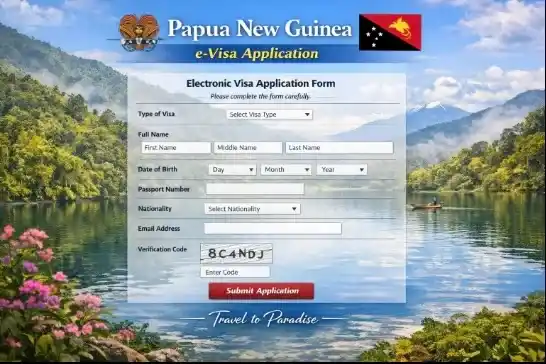
Use the traveler-friendly sequence: prepare documents → apply PNG visa online → monitor updates → download approval → travel with printed confirmation. In keyword terms, that includes: png evisa, evisa Papua New Guinea, Papua New Guinea Online Visa, Papua New Guinea eVisa, Papua New Guinea Online e-Visa, PNG electronic visa, PNG immigration visa, PNG short stay visa, PNG visa application, and Papua New Guinea visa online application.
Requirements
Follow PNG visa passport requirements and PNG visa photo requirements; use a simple document checklist.
Status
Track PNG online visa status and watch for approval email; verify details immediately.
Processing time mindset: 24/48/72-hour search intent
Many people search for PNG visa processing time and PNG evisa processing time because their travel date is close. You’ll see phrases like png visa in 24 hours, png visa in 48 hours, png visa in 72 hours, PNG urgent visa, PNG express visa, and PNG fast visa approval. The biggest speed lever is accuracy: readable scans, matching names, correct dates, and quick responses to follow-ups.
After submission, monitor your application like a traveler, not like a gambler: PNG visa tracking, PNG visa online tracking, PNG visa status check online, PNG online visa status, png evisa status, or “png visa check.” When approval arrives (PNG visa approval email / PNG visa grant notice), verify everything and print the confirmation.
PNG eVisa Quick reminders
- Apply early: Submit your PNG eVisa application well before your travel date to allow time for processing.
- Passport validity: Ensure your passport is valid for at least 6 months beyond your arrival date and has spare blank pages.
- Match details exactly: Your name, passport number, and dates must match your passport and travel bookings (no nicknames).
- Use a clear photo scan: Upload sharp, full-page passport biodata scans and any supporting documents in readable quality.
- Check your email: Watch for updates or requests for more documents (including spam/junk folders).
- Carry a copy: Print your eVisa approval and keep a digital copy accessible offline.
PNG eVisa Final checks
- Verify eVisa approval details: Confirm your passport number, validity dates, and visa type are correct.
- Confirm entry conditions: Make sure your arrival date falls within your visa validity window.
- Return/onward plans: Have proof of onward or return travel available (digital + printed if possible).
- Accommodation proof: Keep your hotel booking or host address/phone number handy.
- Funds & purpose: Be ready to explain your trip purpose and show evidence of sufficient funds if asked.
- Insurance (recommended): Travel/medical coverage is strongly advised—carry policy details.
PNG eVisa Extra traveler tips
- Document folder: Keep passport, eVisa, bookings, and emergency contacts together for quick access.
- Device prep: Save PDFs offline and keep your phone charged; consider a power bank.
- Arrival timing: Allow extra time at immigration, especially during peak flight arrivals.
- Local SIM & connectivity: Plan how you’ll get data/calls on arrival (SIM/eSIM/roaming).
- Cash & cards: Carry some local currency for taxis/incidentals; not all places accept cards.
- Health basics: Pack essentials (repellent, sunscreen, basic meds) and check any recommended vaccinations.
PNG eVisa Final immigration checks • kokoda-track-trekking-guide
- Before landing: Have your passport + printed eVisa approval ready to present at the counter.
- Immigration questions: Answer clearly—purpose of visit, where you’ll stay, how long, and onward travel plans.
- Supporting documents: If requested, provide accommodation confirmation, onward ticket, and proof of funds.
- Entry stamp: Check your entry stamp (date/port) before leaving the booth—fix errors immediately.
- Stay compliant: Do not overstay your permitted period; keep track of your allowed duration.
- Keep documents accessible: You may be asked again at hotel check-in or during domestic travel.
Papua New Guinea eVisa Notes
Friendly URL: /blog/kokoda-track-trekking-guide/
Internal links: /blog/, /png-evisa/, /requirements/, /application-process/, /fees/, /processing-time/, /status-check/, /contact/.