Madang diving spots: reef walls, lagoon passages & WWII underwater history
Madang sits on Papua New Guinea’s north coast and has a long-standing reputation for “variety diving”: seamount action, coral gardens, passage dives, macro corners, and a real layer of WWII-era underwater history in the broader region. :contentReference[oaicite:1]{index=1}
This guide helps you plan a diving-focused Papua New Guinea travel itinerary: which site styles to prioritize, how to schedule days, what to pack, and how to coordinate your PNG eVisa so entry requirements don’t become the weak link in your trip.
What makes Madang a “mix-and-match” dive destination
Seamount energy
Strong current-driven dives can bring pelagic activity and big schools—best for confident divers.
Lagoon variety
Sheltered sites often suit newer divers and photographers, with coral gardens and passages.
History layer
The region is often linked to WWII relics and wreck narratives in PNG’s north coast waters.
Madang is frequently described as a place where “superb diving” is close to town and the marine environment is diverse, with convenient sites and a reputation for interesting life. :contentReference[oaicite:2]{index=2}
Signature Madang dive site style: Planet Rock (seamount)
Planet Rock is commonly described as a volcanic seamount not far offshore. It’s known for depth, currents, and pelagic potential, with conditions that typically suit intermediate or advanced divers depending on the day. :contentReference[oaicite:3]{index=3}
Why divers love it
When currents “feed” the seamount, you may see fast-moving schools and larger fish profiles.
How to plan it
Put it early in your itinerary while you’re fresh, and keep a backup day in case conditions change.
Madang Lagoon planning: passages, walls, and calmer days
For many travelers, lagoon-style diving is the “repeatable” part of a Madang trip—more options, more flexibility, and usually less dependency on ocean swell. Some write-ups highlight named lagoon sites such as Planet Rock and passage dives like Magic Passage when describing the area’s options. :contentReference[oaicite:4]{index=4}
If your group has mixed experience levels, build your schedule so that one day targets more challenging water movement, and the next day leans calmer for photography and skills comfort. That pacing often produces a better Papua New Guinea travel experience than stacking “hard days” back-to-back.
Trip planning table: 4-day Madang dive rhythm
| Day | Dive focus | Best for | Smart buffer |
|---|---|---|---|
| Day 1 | Orientation + easy check dives | Equipment comfort & weighting | Early night, hydration |
| Day 2 | Seamount / current day | Intermediate+ divers | Backup site if conditions shift |
| Day 3 | Lagoon reefs / passage dives | Mixed levels + photographers | Flexible start time |
| Day 4 | Macro / relaxed reefs + rest | Photo + decompression mindset | Plan no-fly time |
Safety basics: realistic, not scary
Madang’s best days often involve currents, deeper profiles, and open-ocean conditions. That doesn’t make it unsafe—it means you should match sites to skills and listen to briefings. A responsible plan looks like this: conservative profiles, clear buddy procedures, and a strong respect for surface conditions.
For Papua New Guinea travel safety, keep logistics simple: use reputable operators, avoid rushing between activities, and keep your documents and emergency contacts accessible. If you’re combining diving with a longer Papua New Guinea vacation, build rest days and avoid stacking long transfers after heavy diving days.
PNG eVisa planning for a diving trip
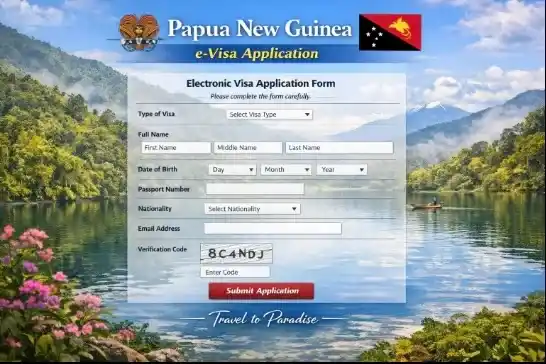
Diving trips have fixed booking windows, so visa timing matters. Travelers search for Papua New Guinea Online Visa, Papua New Guinea eVisa, Papua New Guinea Visa, Papua New Guinea visa requirements, and how to apply for eVisa because they want a predictable workflow.
Recommended method: prepare scans → apply PNG visa online → monitor portal/email → confirm approval → print and carry your eVisa. Use these internal pages for a clean step-by-step flow:
Requirements
Passport and photo rules, plus document checklist and upload quality tips.
Application process
Portal steps, form flow, and what to do if the system asks for extra documents.
Status & tracking
How to follow PNG evisa status / PNG online visa status until approval arrives.
For official submission, use: Apply PNG eVisa
PNG eVisa Quick reminders
- Apply early: Submit your PNG eVisa application well before your travel date to allow time for processing.
- Passport validity: Ensure your passport is valid for at least 6 months beyond your arrival date and has spare blank pages.
- Match details exactly: Your name, passport number, and dates must match your passport and travel bookings (no nicknames).
- Use a clear photo scan: Upload sharp, full-page passport biodata scans and any supporting documents in readable quality.
- Check your email: Watch for updates or requests for more documents (including spam/junk folders).
- Carry a copy: Print your eVisa approval and keep a digital copy accessible offline.
PNG eVisa Final checks
- Verify eVisa approval details: Confirm your passport number, validity dates, and visa type are correct.
- Confirm entry conditions: Make sure your arrival date falls within your visa validity window.
- Return/onward plans: Have proof of onward or return travel available (digital + printed if possible).
- Accommodation proof: Keep your hotel booking or host address/phone number handy.
- Funds & purpose: Be ready to explain your trip purpose and show evidence of sufficient funds if asked.
- Insurance (recommended): Travel/medical coverage is strongly advised—carry policy details.
PNG eVisa Final immigration checks • madang-diving-spots
- Before landing: Have your passport + printed eVisa approval ready to present at the counter.
- Immigration questions: Answer clearly—purpose of visit, where you’ll stay, how long, and onward travel plans.
- Supporting documents: If requested, provide accommodation confirmation, onward ticket, and proof of funds.
- Entry stamp: Check your entry stamp (date/port) before leaving the booth—fix errors immediately.
- Stay compliant: Do not overstay your permitted period; keep track of your allowed duration.
- Keep documents accessible: You may be asked again at hotel check-in or during domestic travel.
Papua New Guinea eVisa Notes
Friendly URL: /blog/madang-diving-spots/
Internal links: /blog/, /blog/madang-travel-guide/, /png-evisa/, /requirements/, /application-process/, /fees/, /processing-time/, /status-check/, /contact/.