PNG trekking routes: how to choose the right trail for your time, fitness, and goals
Papua New Guinea isn’t a “quick hike” destination. It’s a place where trekking feels like travel in the truest sense—muddy boots, river crossings, ridge climbs, and villages that turn a route into a cultural exchange. The key is choosing the right trek for your fitness and your schedule, then building a plan that respects weather and logistics.
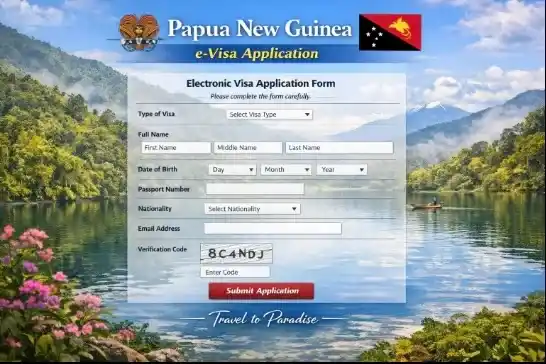
This guide maps the biggest trekking themes—history routes, Highlands summit goals, rainforest walks, and village-to-village journeys—then connects your itinerary to practical entry steps like PNG eVisa requirements, processing time, and status checks.
Start here: what kind of trekking story do you want?
History + meaning
Routes like the Kokoda Track combine brutal terrain with powerful WWII narratives and community connection.
Highlands altitude
Summit-style goals such as Mount Wilhelm add altitude and changing climates to your planning.
Culture + villages
Village walks and local trekking routes prioritize conversation, hospitality, and slower travel.
Your “best” route is the one that matches your body, your time, and your tolerance for uncertainty. PNG rewards patience: if you build buffer days, your trek becomes enjoyable; if you squeeze it tight, it becomes stressful.
Core routes travelers research most
| Route theme | Why people choose it | Difficulty feel | Planning notes |
|---|---|---|---|
| Kokoda-style long trek | Iconic history + endurance challenge across rugged ranges | High effort (heat, climbs, mud) | Use reputable operators; build buffer days; confirm any local access requirements |
| Mount Wilhelm summit trek | Highest peak goal, alpine lakes, Highlands scenery | Moderate-to-hard (altitude) | Pack warm layers; plan acclimatization mindset; prioritize safety over “summit at all costs” |
| Rainforest day hikes | Birding, waterfalls, shorter nature travel | Variable | Weather protection; guide advice; keep plans flexible |
| Village-to-village routes | Culture-heavy travel experience and community connection | Moderate | Respect local customs; cash for small needs; ask about photography |
Kokoda Track: what trekkers should know before choosing it
The Kokoda Trail is widely described as a 138-kilometre route crossing the Owen Stanley Range, with deep WWII history and strong cultural significance. It’s not a “fitness weekend”; it’s an endurance plan that rewards training, humility, and serious preparation.
Because this trek can be affected by local conditions, it’s smart to monitor travel updates and stay flexible—especially if you’re booking far in advance. Past reporting has also noted disruptions/closures linked to landowner protests, which is a reminder to coordinate carefully with tour providers. :contentReference[oaicite:2]{index=2}
Tip: If Kokoda is your anchor trek, treat everything else as optional. A single “extra flight” can steal buffer days you’ll want on the track.
Internal link: Kokoda Track trekking guide
Mount Wilhelm: Highlands summit logic (and why it’s a great alternative)
Mount Wilhelm is commonly described as the highest point in Papua New Guinea at 4,509 meters, and many trek itineraries run 3–4 days depending on route and pace. If you want altitude and Highlands culture without the full length of Kokoda, this is often the more flexible option.
Who it suits
Travelers who like a defined summit objective, can handle early starts, and want a shorter trek window.
What to prepare
Warm layers, rain protection, conservative pacing, and realistic expectations about altitude effects.
Trip planning checklist for PNG trekking
Training & pacing
Stairs + heat exposure + long walks with a pack. Build slow strength, not last-minute panic fitness.
Weather & gear
Rain protection, quick-dry clothing, blister prevention, and a dry-bag system for documents and phone.
Buffer days
Buffer days are your safety valve for transport delays, rest, and unexpected local schedule changes.
If you’re new to PNG, start with a shorter trekking route to learn how logistics feel. PNG is amazing, but it doesn’t reward rigid itineraries—especially during wet spells or high season travel.
PNG eVisa planning for trekkers (entry steps that protect your itinerary)
For long treks, your visa timeline is part of your safety plan. Build the workflow early: gather your passport scan and photo → complete your online submission → monitor email and portal updates → confirm approval details → print your eVisa confirmation.
Requirements
Document checklist, photo standards, and common mistakes that slow approval.
Processing time
Plan buffers and understand what can affect timelines during peak travel periods.
Status tracking
How to check PNG evisa status and what to do if the portal requests more documents.
PNG eVisa Quick reminders
- Apply early: Submit your PNG eVisa application well before your travel date to allow time for processing.
- Passport validity: Ensure your passport is valid for at least 6 months beyond your arrival date and has spare blank pages.
- Match details exactly: Your name, passport number, and dates must match your passport and travel bookings (no nicknames).
- Use a clear photo scan: Upload sharp, full-page passport biodata scans and any supporting documents in readable quality.
- Check your email: Watch for updates or requests for more documents (including spam/junk folders).
- Carry a copy: Print your eVisa approval and keep a digital copy accessible offline.
PNG eVisa Final checks
- Verify eVisa approval details: Confirm your passport number, validity dates, and visa type are correct.
- Confirm entry conditions: Make sure your arrival date falls within your visa validity window.
- Return/onward plans: Have proof of onward or return travel available (digital + printed if possible).
- Accommodation proof: Keep your hotel booking or host address/phone number handy.
- Funds & purpose: Be ready to explain your trip purpose and show evidence of sufficient funds if asked.
- Insurance (recommended): Travel/medical coverage is strongly advised—carry policy details.
PNG eVisa Final immigration checks • png-trekking-routes
- Before landing: Have your passport + printed eVisa approval ready to present at the counter.
- Immigration questions: Answer clearly—purpose of visit, where you’ll stay, how long, and onward travel plans.
- Supporting documents: If requested, provide accommodation confirmation, onward ticket, and proof of funds.
- Entry stamp: Check your entry stamp (date/port) before leaving the booth—fix errors immediately.
- Stay compliant: Do not overstay your permitted period; keep track of your allowed duration.
- Keep documents accessible: You may be asked again at hotel check-in or during domestic travel.
Papua New Guinea eVisa Notes
Friendly URL: /blog/png-trekking-routes/
Internal links: /blog/, /blog/kokoda-track-trekking-guide/, /png-evisa/, /requirements/, /application-process/, /fees/, /processing-time/, /status-check/, /contact/.